

Resource Hub
Explore resources to find out more with Evidence-informed articles, practical advice and inspiration to help you restore energy, manage stress and improve your wellbeing.
Nutrition Guides
✳︎
Stress Management Tools
✳︎
Mindset Techniques
✳︎
Free PDFs
✳︎
Nutrition Guides ✳︎ Stress Management Tools ✳︎ Mindset Techniques ✳︎ Free PDFs ✳︎


It all starts in the gut
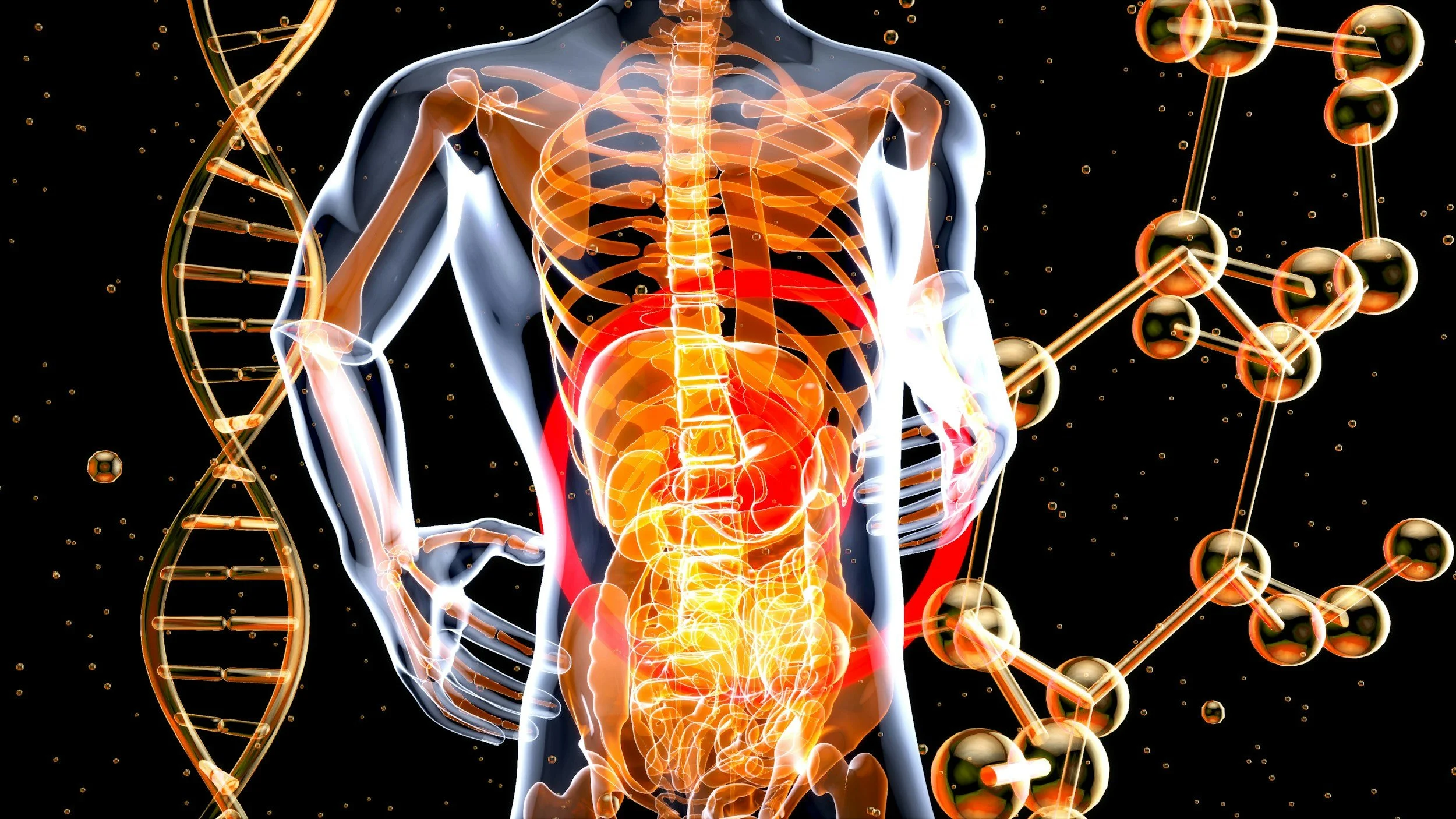
Most of us have probably heard by now that depending on the balance of our gut microbiome (bacteria, viruses and fungi) it will have a strong correlation on how we are feeling a how good our health is. There are trillions of these little guys present which are roughly categorised as symbiotic (helpful bacteria) and pathogenic (harmful bacteria). Knowing how to keep a balance of these bacteria in the gut is imperative for proper digestion and a strong immune system.
There is still a great deal we don’t know about this microbiome but disruption of gut bacteria, (aka metabolic dysregulation) can not only be strongly associated with stress in the first place but also cause more stress, leading to a catch 22 situation.
As so many things can overly stress the body such as sub optimal food, eating and sleeping habits, life circumstances, environment and especially the way we see the world, it’s not surprising that many of us have problems. People who struggle with their weight will very often have a more unbalanced microbiome compared to lean individuals and often have a higher ratio of certain bacteria called Firmicutes and Lactobacilli which influence glucose and fat metabolism, whereas leaner people have more bacteroides which help digest carbohydrates. This is why supporting the gut through nutrition is really useful and also helps healthy metabolic function.
Nutritional therapists and practitioners consider each individual to be unique and recommend personalised nutrition and lifestyle changes.
Recipes
GUT HEALING SOUP
Serves 2
Ingredients
750ml organic chicken stock or vegetable stock
3cm ginger grated
2 cloves garlic sliced
1 chill sliced (optional)
½ savoy cabbage shredded
1 carrot julienned
6 mushrooms any kind sliced (optional)
2 tablespoons miso paste
Soy sauce / tamari to taste
1 protein source: organic fermented tofu*, prawns, protein of choice
Fresh coriander chopped (optional)
Method
Bring the stock to a boil
Add ginger, garlic, chilli to the pan and cover for 5 minutes
Add cabbage, mushrooms, and carrot for 4 minutes until soft
Stir in miso and a splash of soy sauce
Add tofu or prawns/protein source and heat through
* Do not consume soy if you have hypo-thyroid issues
Adapted from Jamie Oliver online



Easy Recovery, Not Obsession
In recent years, recovery has been rebranded. It used to be simple: train hard, eat well, get a good night’s sleep, and let your body do its thing.
Today, recovery looks like a competitive sport. Wearables ping you with "readiness scores," morning routines require ice baths, and every aspect of rest feels like something to be optimized, tracked, and graded.
Here is the truth: your body already knows how to recover.
Recovery isn’t a product or a high-tech gadget. It is the natural process through which your body repairs tissue, balances hormones, restores energy, and adapts to stress. While tech and supplements can offer helpful nudges, true recovery relies on basic foundations: sleep, gentle movement, sensible nutrition, and a calm nervous system.
Here is how to strip away the complexity and build a healthier, obsession-free approach to recovery.
1. Sleep: The Non-Negotiable Foundation
If you only focus on one area of recovery, make it sleep. It is during deep sleep that your immune system recharges, tissues rebuild, and your brain processes memory and emotion.
Consistently sleeping fewer than seven hours a night is linked to an increased risk of heart disease, type 2 diabetes, and mood disturbances. Most adults thrive on 7 to 9 hours.
Sleep habits that actually work:
Stick to a consistent schedule: Going to bed and waking up at roughly the same time anchors your circadian rhythm.
Keep it cool: Aim for a room temperature around 18°C (64°F). A cooler environment supports the natural drop in body temperature required for deep sleep.
Limit late-night screens and stimulants: Caffeine and alcohol before bed disrupt your sleep architecture, suppressing the deep, restorative sleep stages your body needs.
Where Targeted Nutrients Fit:
You’ll often see Magnesium marketed as a magic sleep cure. The evidence-based reality? Magnesium isn't a sedative, but it contributes to normal psychological function, nervous system balance, and the reduction of tiredness. Correcting a deficiency supports your body's baseline, giving sleep a solid foundation to build on.
2. Active Recovery: Gentle Movement Beats Heroic Effort
When you're stiff or sore, the natural instinct is to crash on the couch. However, light, low-intensity movement actually accelerates recovery much faster than complete stillness.
Active recovery increases circulation, delivering oxygen and nutrients to repairing muscles without adding physical strain.
Keep it simple: A 15–20 minute walk, an easy swim, a leisurely bike ride, or a slow mobility routine are ideal.
The Golden Rule: Active recovery should leave you feeling refreshed, not taxed. If you are counting down the minutes, it’s turned into training.
3. Smart Interventions (Without the Extremes)
Tools like cold-water therapy and targeted micronutrients have genuine physiological roles, provided they're used intentionally:
Cold Exposure: You don't need "shivering misery" to get benefits. Brief, comfortable cold water exposure acts as a gentle stressor that can boost alertness and ease soreness. Note: If muscle growth or strength is your goal, avoid cold plunges immediately post-workout, as cold can blunt natural muscle adaptations.
Key Micronutrients (e.g., Selenium): Essential trace minerals like Selenium play critical roles in cellular protection and immune support. However, more isn't always better. The goal of supplementation should always be filling genuine dietary gaps, not chasing hype.
4. Fix Your Relationship with the Data
Fitness trackers and health tech can be great for spotting general trends. But when a single low "recovery score" ruins your morning or creates health anxiety, the data is working against you.
Focus on trends over single readings: One bad night of sleep doesn't mean your body is not working properly.
How you feel is the ultimate metric: If your watch says you’re 100% recovered but you feel exhausted, trust your feelings.
Take tracking breaks: Regularly unplugging from your devices helps rebuild trust in your body's internal signals.
The Bottom Line
Healthy recovery isn't about buying another gadget, taking ten new supplements, or optimizing every minute of rest.
Strip away the noise. Protect your sleep window, move gently on your off days, nourish your body, and let your physiology do what it was built to do.